What to Do in Bali: A Guide for Those Who Live Well
Bali doesn’t need an introduction. But the version most people experience – the day trips, the Instagram temples, the sunset at Tanah Lot – barely…
Read More
I didn’t plan to become a cigar person in Bali. It happened the way most good things do – slowly, almost by accident, on a warm evening with nowhere particular to be.
I was sitting at a rooftop bar in Seminyak, watching the sky do that thing it does at golden hour, turning the whole island amber and rose, when the guy next to me offered me a cigar. Not a cheap one. A proper hand-rolled thing, lit carefully, cut well. I said yes mostly out of politeness.
An hour later, I hadn’t moved. My beer was warm. I didn’t care.
That was my introduction to what I’d come to think of as the Bali way of smoking. Unhurried. Present. Nothing like the pace I’d been running at for the previous six months. And it got me thinking – why does Bali, of all places, feel like exactly the right place for this?
Cigars and humidity have a complicated relationship. Too dry and the wrapper cracks. Too humid and the draw gets tight. Bali sits in a sweet spot – warm but not oppressive, with just enough moisture in the air that a good cigar holds its shape and smokes evenly from first light to the last inch of the foot.
Some of the world’s great tobacco-growing regions share a similar climate profile. Bali just happens to also have the sunsets.
This sounds like a cliche, but it’s true in a very practical sense. Bali runs on its own time. Restaurants don’t hustle you out. Friends arrive late and nobody minds. A cigar – a real one, not a thin machine-rolled thing – takes 45 minutes to an hour to smoke properly. In most places in the world, that’s a commitment that feels almost antisocial. In Bali, it’s just Tuesday.
This is the part that most visitors don’t know. Indonesia is one of the world’s major tobacco-producing countries. The island of Java, just a short hop from Bali, has been growing premium tobacco for centuries – including varieties grown from Havana seeds, the same lineage that made Cuban cigars famous.
That tobacco doesn’t need to travel far to become a great cigar. Some of it gets rolled right here, by people who’ve been doing this their whole lives, with a level of care that you can actually taste. When you light up a hand-rolled Indonesian cigar in Bali, you can’t help noticing how little distance it’s travelled to reach you.

Cigars carry baggage in a lot of places – associations with boardrooms, celebrations, a certain kind of performance. In Bali, the culture is different. Sharing a cigar is generous. It’s a reason to sit still for a while, a signal that the evening has shifted into a different gear.
I’ve had some of the best conversations of my life over a cigar in Bali, with people I’d just met, in no particular hurry to be anywhere else. The cigar gives you something to do with your hands and an excuse to stay a bit longer.
This is the thing I find hardest to explain. A good cigar asks you to slow down and notice things. You notice the flavours changing – the sweetness early on, the deeper earthiness as it develops, the long finish that lingers after the last draw. You notice the light changing. You notice the people around you.
The cigar is almost beside the point. It’s really just a reason to be still for long enough to actually look at where you are.
I’ve smoked cigars in a lot of places since that first evening in Seminyak. But there’s something about Bali – the pace, the air, the fact that a great Indonesian cigar was practically grown next door – that makes it feel like the whole island was designed with this in mind.
Wherever you end up, the advice is simple: find a good cigar, find somewhere with a view, and don’t rush it.
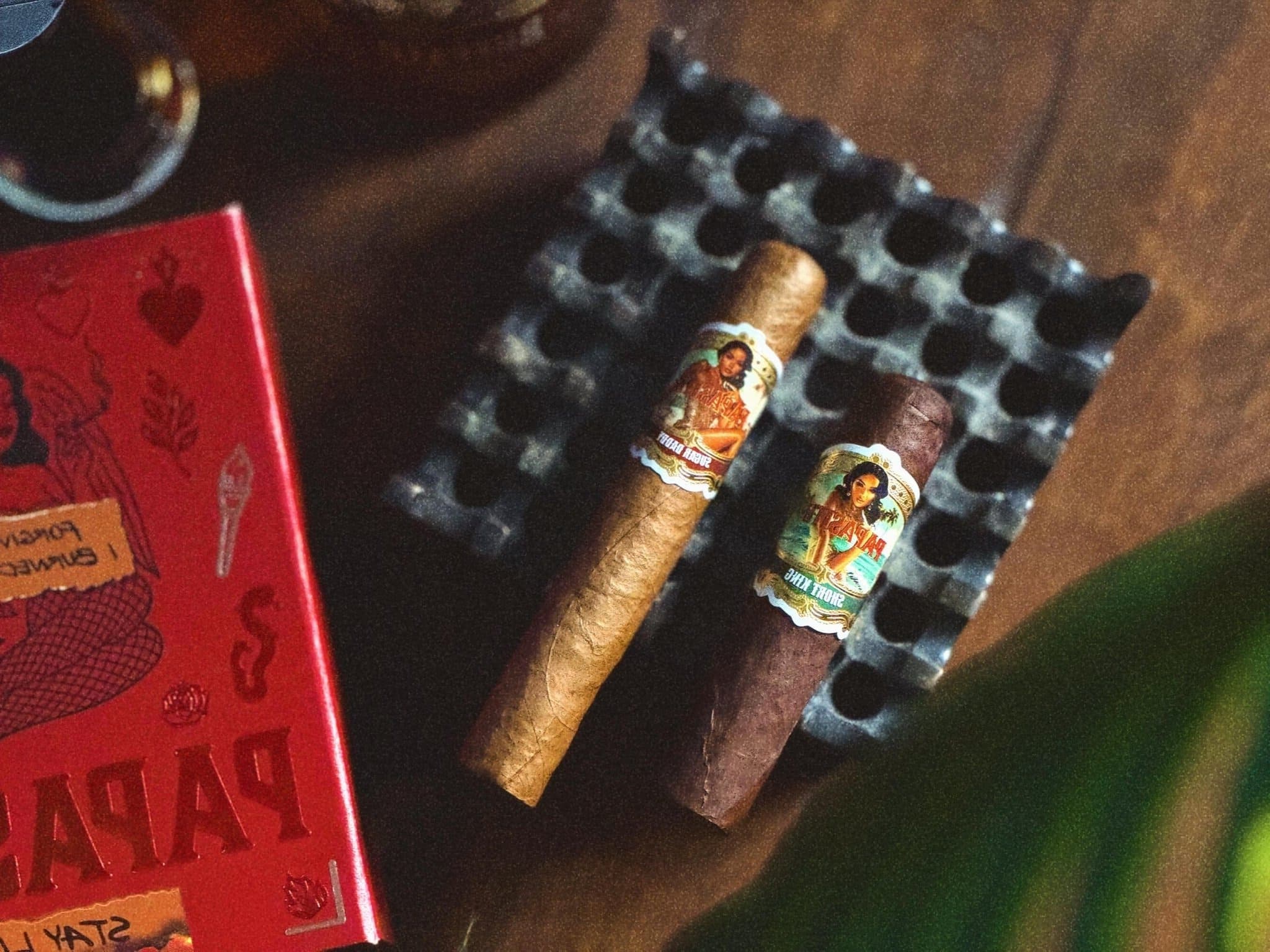
Papasito is hand-rolled in Jember, East Java.
Bali doesn’t need an introduction. But the version most people experience – the day trips, the Instagram temples, the sunset at Tanah Lot – barely…
Read MoreA great cigar doesn’t start when you light it. It starts with how it’s stored. Even a perfectly constructed cigar can lose flavour and balance…
Read MoreThere’s something about lighting a cigar that changes the pace of everything. Conversations slow down. Glasses refill more deliberately. The moment stretches just a little…
Read MoreGood times, new blends, and stories from Bali — delivered to your inbox.
No spam. Unsubscribe anytime.